How to Learn English with TV Shows and Videos

Watching shows and videos in English is one of the few ways to study a language that people keep doing for months without forcing themselves. The catch is that watching alone teaches slowly: a whole episode can wash over you and leave three new words behind. This guide is about closing that gap — keeping the pleasure of watching and turning a part of it into practice.
Why Watching Works
A textbook gives you English that was written to be studied. A show gives you English that was written to be understood by a native audience: real speed, real contractions, jokes, interruptions and the phrases people actually use at work, at home and with friends.
Context does a lot of the work. You see who is speaking, to whom and in what mood, so a new word arrives with a situation attached. That is how grammar sinks in too: after hearing “I’ve been waiting for ages” in ten different scenes, you no longer need the rule to say it.
And there is the simplest reason of all: you will come back to a story you care about. Regular contact with the language beats occasional intense study, and a series gives you a reason to show up every evening.
Turn an Episode into Practice
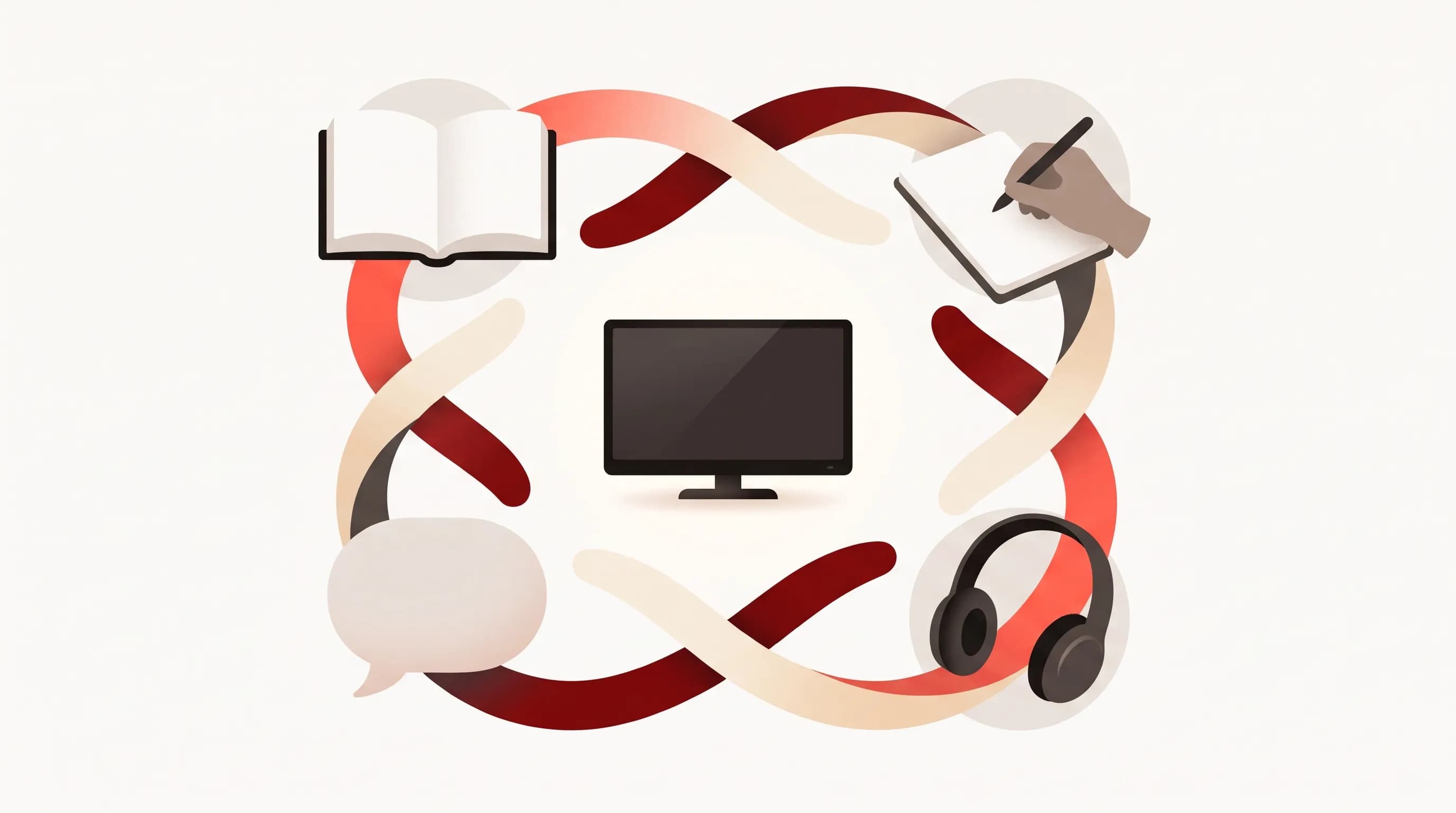
An episode can train all four skills — listening, reading, speaking and writing — if you add a few small habits around it. You do not need all of them every time; pick two or three that fit your level and your mood.
Start with Two Subtitle Lines
Subtitles in your own language help you follow the story, and English subtitles connect what you hear with how it is spelled. Showing both lines at once gives you the plot and the original wording in one glance. As your confidence grows, hide your language and keep only the English line.
When a word on the screen is new, look it up right away instead of guessing for the rest of the scene. In Subglish you can tap any word in the subtitles to see its translation without leaving the video.
Rewind the Line You Missed
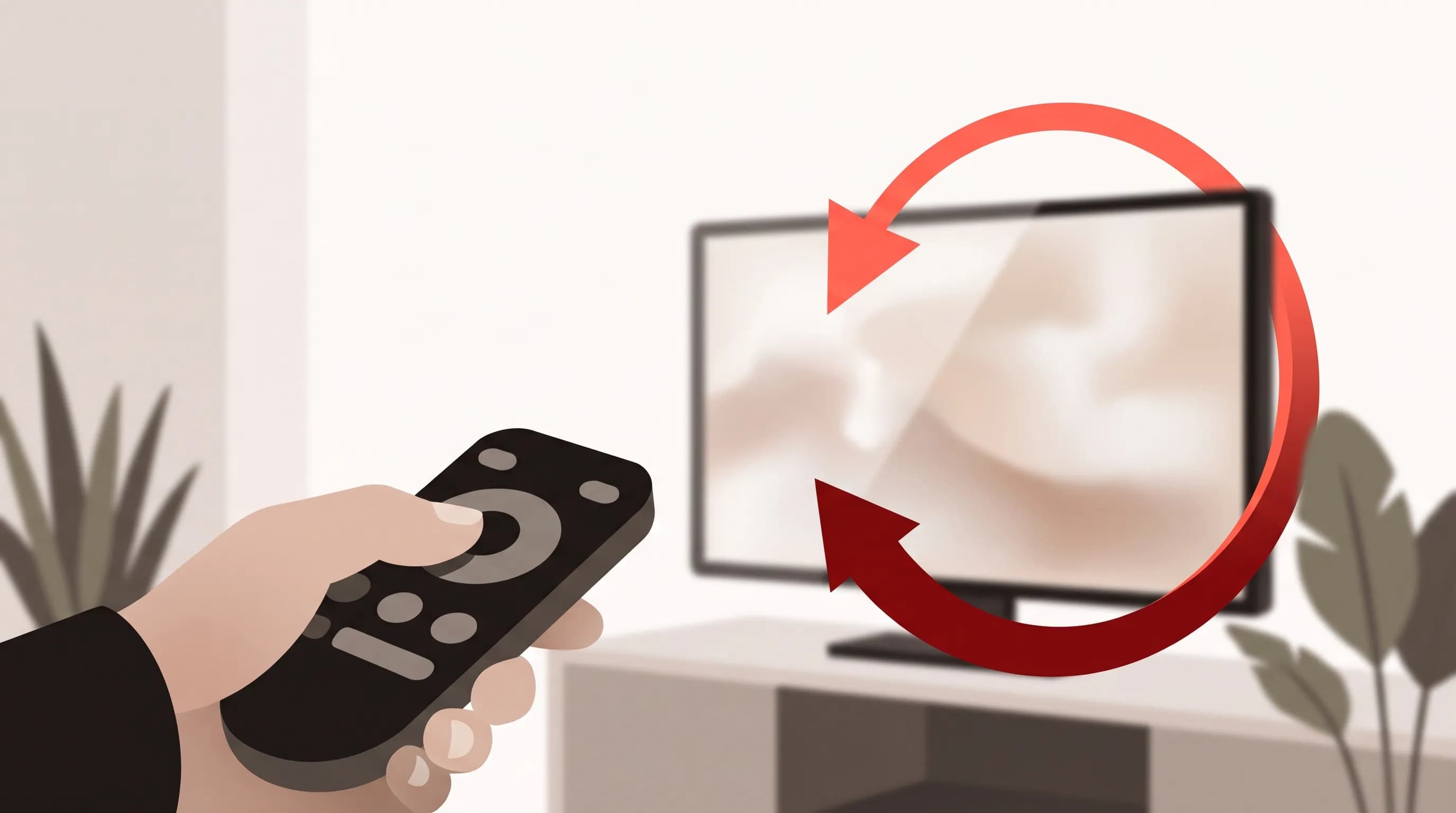
If a sentence goes by too fast, go back and play it again, then once more while reading along. Accents, mumbling and overlapping voices are hard for everyone at first. Replaying is not cheating: it is exactly the training your ear needs.
Say It Out Loud
Pause after a line you like and repeat it, copying the rhythm and intonation of the actor. This is called shadowing, and it trains pronunciation and speaking at the same time. Recording yourself and comparing it with the original shows where you still sound different.
Slow It Down
Most players let you lower the playback speed. At three quarters of the normal pace, speech stays natural but the words stop blending into each other. Use it for difficult scenes, then return to normal speed once the line makes sense.
Keep the Words, Not the Whole Episode
You will not remember every new word from an episode, and you do not need to. Choose the handful that are useful and that you are likely to hear again, and save them with the sentence they came from. A word without its sentence is much harder to use later.
Then review them at growing intervals: the next day, a few days later, a week later. Spaced review is what moves a word from “I saw it once” to “I know it”. Subglish keeps the words you save from videos in your own dictionary and reminds you when it is time to review them.
Tie Each Word to a Scene
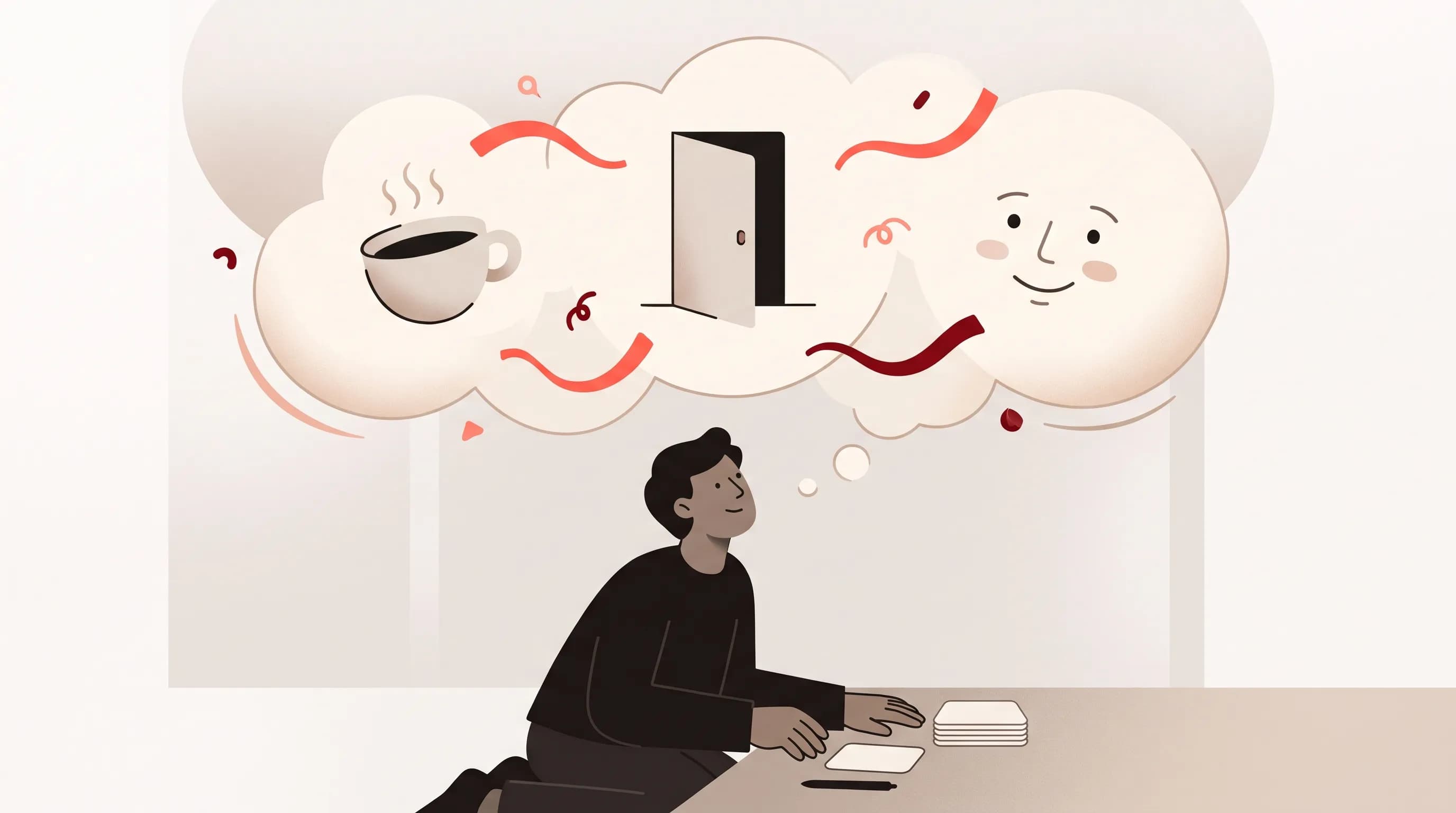
When you review a word, picture the moment it was said: the character, the room, the object in their hands. A vivid image is a strong hook for memory, and it also reminds you of the situation in which the word fits.
Write a Few Lines About It
Writing makes you use the words instead of only recognising them. Make up one sentence of your own for each new phrase, or retell the episode in five or six sentences for someone who has not seen it. Explaining why things happened, not only what happened, pushes you toward longer and more natural sentences.
Watch It Again Without Help
After working through an episode, watch it once more with fewer aids: English subtitles instead of two lines, or no subtitles at all. Understanding scenes that were a struggle a few days earlier is the clearest sign of progress you will get.
Short Videos Count Too
Not every day has room for a full episode. Short clips are a good fit for a commute or a coffee break: a two-minute video can be watched three times, and each time you catch more. Many of them carry captions, so the same habits work — read along, replay, save a word or two.
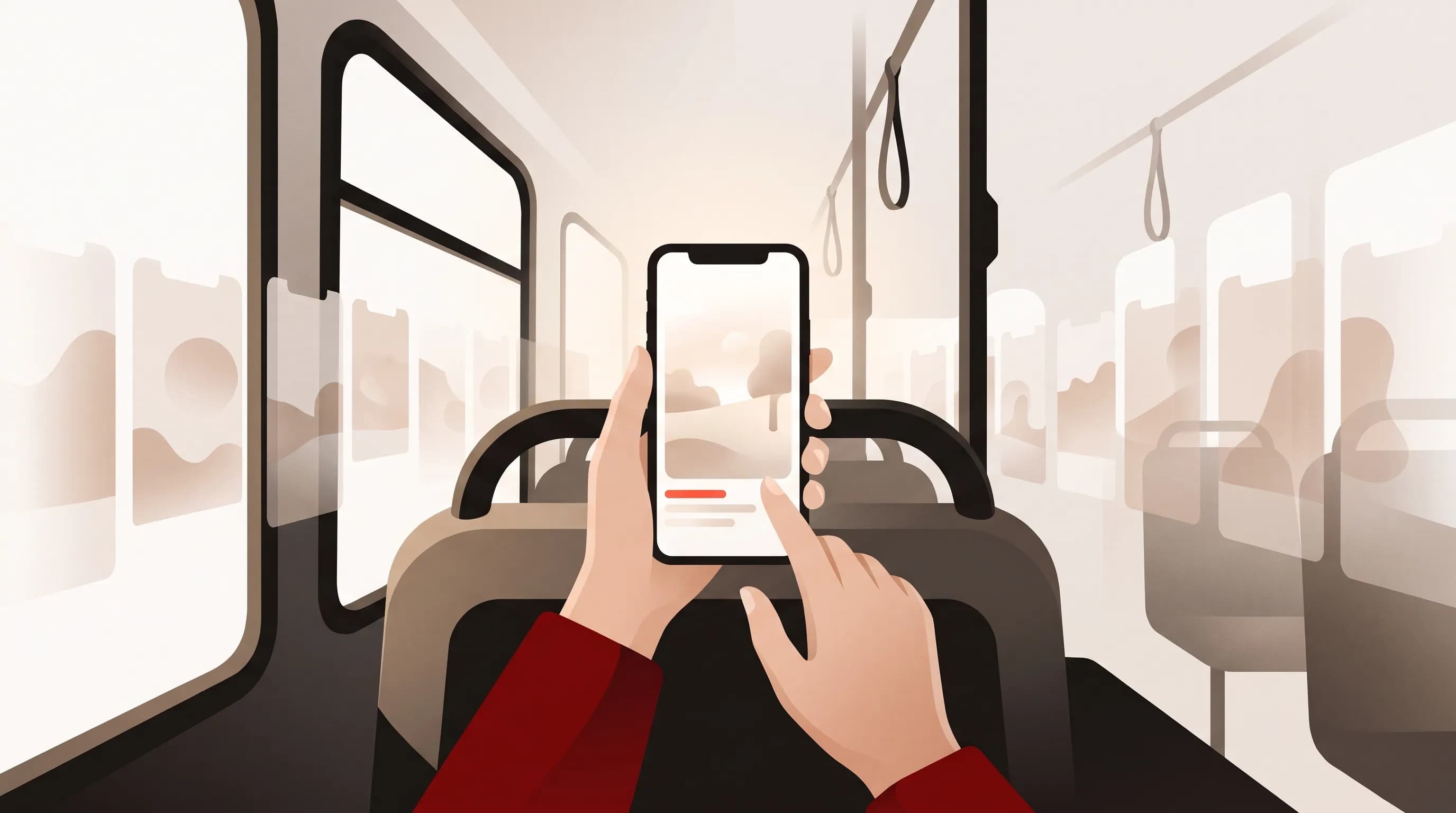
The risk with short videos is endless scrolling with nothing kept. Set yourself a small rule, such as one saved phrase per clip, and the feed becomes practice instead of noise.
How to Choose What to Watch
The best show for learning is one you would watch anyway, at a level you can mostly follow. If you need to stop every few seconds, the story falls apart and motivation goes with it; if you understand everything without effort, there is little left to learn.
- Match the level. Beginners do well with slow, clear speech and simple everyday situations; advanced learners can take on fast dialogue, slang and specialised topics.
- Match the vocabulary you need. Office stories for work English, travel and food shows for everyday conversation, documentaries for a subject you care about.
- Choose an accent on purpose. British and American English differ in sound and in some words, so watch the variety you want to understand first.
- Prefer short episodes. A twenty-minute comedy is easier to finish, replay and review than a feature-length film.
- Rewatch something familiar. A film you already know in your own language frees your attention for the English, because you are not busy following the plot.

Ask English-speaking friends or colleagues what they are watching. A show people talk about also gives you something to talk about.
Make It a Daily Habit
Twenty or thirty minutes every day does more than a three-hour session once a week. Tie watching to something you already do — dinner, the train home, the evening tea — so it does not depend on willpower.

Keep the routine light: one episode or a few clips, a handful of saved words, a quick review of yesterday’s ones. Mark each day you did it. A visible streak is a surprisingly strong reason not to skip the next one.
Common Questions
Can I become fluent just by watching?
Watching builds listening comprehension and vocabulary faster than most other activities, but speaking and writing need their own practice. Combine shows with talking to people, writing and some structured study, and each part will speed up the others.
Should I use subtitles in my language or in English?
Start with whatever lets you enjoy the story, then move toward English. Two lines at once are a good bridge: you keep the meaning in view while your eyes get used to the English.
How many new words should I save from one episode?
Five to ten is plenty. It is better to review ten words until you know them than to save fifty and never look at them again.
In Short
Watch what you enjoy, at a level you can follow, every day. Use subtitles as support, replay what you miss, say lines out loud, and save a few words to review later. That small layer of effort is what turns time in front of the screen into English you can use.